
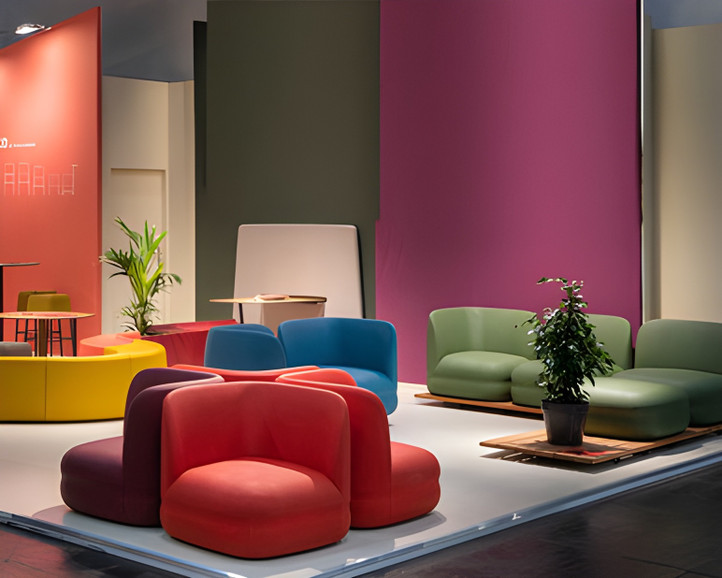
Modular Lounge Seating for Hospitality and Corporate Interiors from Mondo Contract
Posted by Mondo Contract on May 13th 2026
Specifying modular seating for commercial interiors means balancing reconfigurability against structural integrity over time. A system that looks flexible on day one but loosens at connection points after a year of heavy use creates maintenance problems that fall on the facilities team, not the furniture supplier. The question for a specifier is not whether a system is modular, but whether its joinery, frame material, and upholstery construction are rated for the load cycles a commercial environment actually delivers.
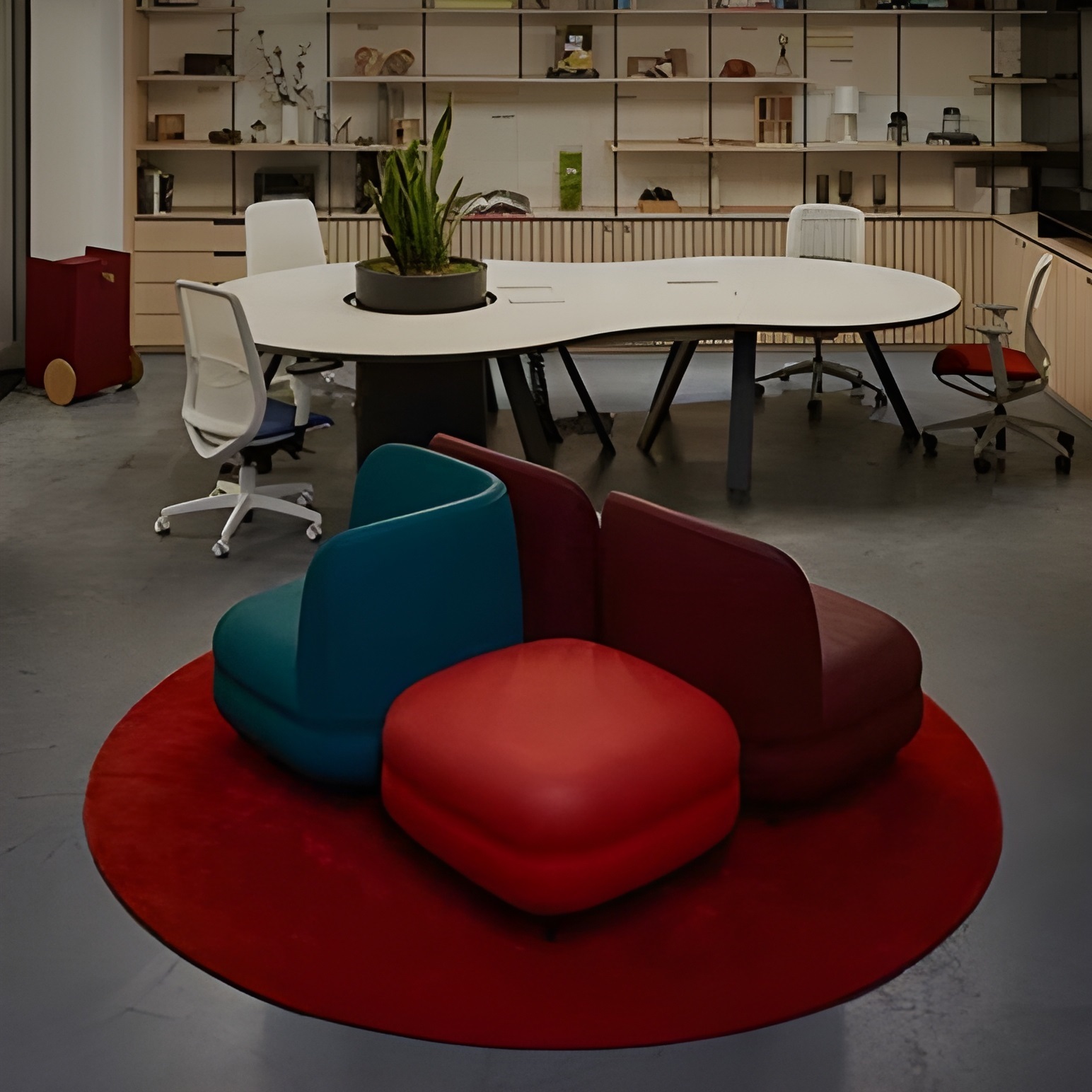
The Vistas Collection: Configuration Logic and Material Construction
The Vistas collection from Tacchini is a modular seating system built around a flexyskin shell construction, which forms both the backrest and leg structure in a single continuous element. This approach eliminates the mechanical joint between backrest and support frame that is the most common failure point in modular lounge seating under contract use. Multiple leg configurations allow seat height variation across a single installation, which is useful for tiered hospitality lounges, hotel pre-function areas, and corporate reception environments where a single furniture family needs to address both seated conversation and higher perch-height use cases.
Connection hardware between seat modules is integrated into the base design, keeping sightlines clean while maintaining positional stability across multi-unit configurations. For specifiers working on open-plan office or hospitality lobby installations, this matters because freestanding sectional arrangements that shift under daily use require constant repositioning and create inconsistent sight lines.
Material Performance Across Commercial Environments
The flexyskin shell used in the Vistas collection is a flexible polyurethane skin over a structural internal frame, offering shape retention under repeated load without the cracking or surface degradation common in rigid shell seating after extended UV or thermal cycling. For interior hospitality environments with high ambient light or proximity to glazed facades, this is a meaningful specification advantage over injection-molded polypropylene shells, which can discolor and become brittle within three to five years.
Upholstery for contract-specified Vistas units should be selected from COM or manufacturer-approved contract-grade textiles with a minimum 100,000 double-rub Wyzenbeek rating for lounge applications in hotels or restaurants. Solution-dyed fabrics are preferred in food and beverage environments where cleaning protocols involve moisture and chemical agents, as solution dyeing ensures color stability through repeated cleaning cycles rather than surface-only pigmentation that fades with abrasion.
Configuration Variables for Hospitality and Corporate Interiors
Modular systems earn their specification value in environments where the seating footprint needs to serve different functions across a weekly or daily schedule: a hotel lobby that hosts informal meetings in the morning and social gatherings in the evening, or a corporate amenity floor that shifts between focus work and town hall configurations. The Vistas collection supports linear runs, curved arrangements, and island clusters without requiring additional transition pieces, which reduces both procurement complexity and on-site assembly time.
For projects with phased FF&E delivery, the modular format allows partial installation of seating without visual incompleteness, since individual units read as intentional rather than as placeholders. This is a practical advantage on hotel openings where soft opening timelines often compress furniture delivery schedules.
Customization Depth and Lead Time Planning
The Vistas collection is available through Mondo Contract on a made-to-order basis, with COM fabric options and leg finish selections processed as part of the standard specification workflow. Lead times for custom configurations run longer than stocked product, and early engagement with the project team during schematic design allows fabric submittals and finish approvals to be completed before the construction schedule creates procurement pressure.
For specifiers working within a defined FF&E budget, Mondo Contract provides trade pricing and project-level support through direct contact with the specification team. Sample requests, material submittals, and project-specific lead time confirmation are handled through mondocontract.com.